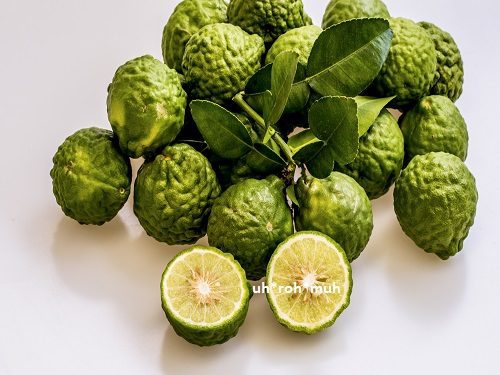

Oil Summary: Organic Bergamot Oil is cold-pressed from the outer rind of a citrus fruit that is indigenous to the Canary Islands. Currently, most of the Organic Bergamot Oil for essential oil production is grown in Italy, in areas around Calabria and Sicily.
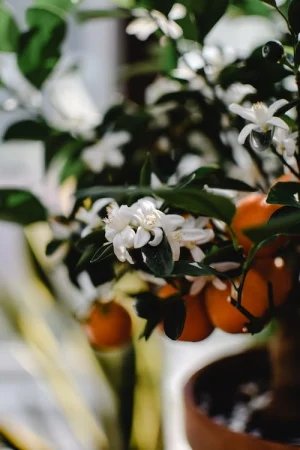
It is thought to be a cross of some type of orange; its pear-shaped fruits are characterized by a green, lumpy rind, and is harvested between December and February. Not to be confused with bergamot pears, or red bergamot, which is an herbaceous perennial responsible for bee balm, and Oswego tea.
It takes approximately 1,000 peels to produce 30 ounces of essential oil, which results in a clear, yellow-green liquid with a spicy, subtle, sweet, slightly floral, lemony scent with a medium-strength top fragrance note. The primary chemical constituent in bergamot oil is linalyl acetate, geraniol, myrcene, nerol, neryl acetate, a-terpineol, and geraniol acetate, with linalool, d-limonene, and bergamotine, and bergaptene in lesser concentrations.
These latter substances, classified as furocoumarines, are often found in proprietary suntan lotions, as they stimulate melanin production in the skin which in turn encourages over-pigmentation. This can be dangerous, however, as this action can increase the risk of melanoma and other skin cancers. 
| Detail | Information |
|---|---|
| Botanical name | Citrus bergamia |
| Certification | USDA Organic |
| Plant origin | Italy |
| Plant part | Fruit rind |
| Processing method | Cold pressed |
| Appearance | Clear liquid, green to greenish yellow. A waxy deposit may form. |
| Scent | Lemony, slightly floral, sweet and subtle, with a medium-strength top note |
| Sizes | 5 ml, 10 ml, 15 ml, 1 fl oz, 2 fl oz, 4 fl oz, 8 oz, 16 oz |
| Sun safety | [FCF or phototoxic: confirm from COA] |
| Weight and dimensions | [add per size, replacing the current “N/A”] |
A batch certificate of analysis is available.
Bergamot oil is cold pressed from the outer rind of the bergamot fruit. The pear-shaped fruit has a green, lumpy rind and is harvested between December and February. Most organic bergamot oil for essential oil production is grown in Italy, in areas around Calabria and Sicily.
Bergamot is not the same plant as red bergamot (bee balm, also called Oswego tea). The two share a name only.
The oil is a clear, yellow-green liquid with a spicy, subtle, sweet, slightly floral, lemony scent. Its main constituents are linalyl acetate, geraniol, myrcene, nerol, neryl acetate, a-terpineol and geraniol acetate. Linalool, d-limonene, bergamotine and bergaptene are present in lesser amounts.
Bergaptene and bergamotine are furocoumarins. They are the reason untreated bergamot oil can cause skin reactions in sunlight.
Bergamot essential oil is popular for its fresh citrus aroma. Common uses are:
For topical use, dilute bergamot essential oil in a carrier oil and follow recommended dilution factors until you know your tolerance. Test a small area first, and keep the oil away from the eyes and mucous membranes.
Because this oil [is / is not] furocoumarin-free.
Bergamot oil can be added at low dilution to hair care recipes such as shampoos or scalp products. Avoid contact with the eyes, and apply the sun-safety rule above to any product left on the skin or scalp.
Bergamot essential oil can be highly phototoxic if it is not heat-treated to remove the furocoumarins. Unprotected sun exposure after topical application can cause severe blistering, burning and skin irritation. Wait at least 24 to 48 hours before exposing treated areas to direct sunlight.
Bergamot essential oil can be highly phototoxic if not heat-treated to remove the furocoumarines. Great care should be taken to avoid unprotected sun exposure following a topical application, as it can cause severe blistering, burning and at the very least, irritation to the skin.
Wait at least 24-48 hours before exposing treated areas to direct sunlight. One of its ingredients, bergaptene, becomes toxic when exposed to sunlight, so care must be taken to store bergamot essential oil in a cool, dark place that is protected from light. If you notice the color of your oil darkening, discontinue use and discard immediately.
Ingesting too much bergamot, even in tea, can block potassium absorption in the body, so it is best to enjoy in small amounts. Keep out of reach of children, and do not use internally unless under the direct guidance of a qualified practitioner who is trained in aromatherapy. If you are pregnant or nursing, consult your physician before use.
Keep away from the eyes and mucous membranes, and always heed recommended dilution factors until you know your tolerance.
Store in a cool, dark place protected from light. Bergaptene becomes toxic when exposed to sunlight. If the oil darkens in color, stop using it and discard it.
Is this pure organic bergamot essential oil? It is a USDA Organic, cold-pressed essential oil of Citrus bergamia from Italy.
Is bergamot essential oil safe in the sun? Untreated bergamot oil is phototoxic.
How is bergamot essential oil different from sweet orange oil? Both are cold-pressed citrus peel oils. Bergamot has a more floral, lemony scent and contains linalyl acetate, while sweet orange smells sweeter and is dominated by limonene.
Can I use bergamot oil for aromatherapy? Yes. It is commonly diffused alone or blended. Follow your diffuser’s instructions and the safety notes above.
Do you sell bergamot oil in bulk? Yes: we sell bulk via Get Natural Essential Oils
EU customers: due to EU organic regulatory requirements we must provide additional label information that our current retail labels do not include, so we use a generic label that meets EU organic labeling requirements.
| Weight | N/A |
|---|---|
| Dimensions | N/A |
Only logged in customers who have purchased this product may leave a review.









Anonymous (verified owner) –