

Oil Summary: The importance of Cypress oil was emphasized due to the spread of bacterial infection in West Africa and the Middle East. It was discovered that the oil contained a very unique yet powerful element that had the capacity to treat infections related to Test Bacteria. Later on, it was realized that the oil also had other medicinal capacities other than treating bacterial infections. At maturity, the Cypress tree is said to produce seeds that are nutritionally rich. This is the reason why many researchers consider processing Cypress essential oil from mature trees. The curative capacity of the tree increases along with maturity.
Botanical Name: Cupressus sempervirens
Plant Origin: Spain
Processing Method: Steam distillation
Plant Part: Leaves and branches
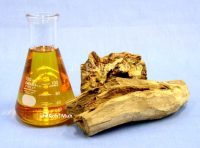
Odor and Color: A pale yellow, pale olive-greenish or almost colorless, mobile liquid with a sweet balsamic, yet refreshing odor, reminiscent of pine needle oil, templin oil or juniper berry oil.
| Parameter | Specification | Standard |
| Botanical Name | Cupressus sempervirens | Taxonomy |
| Extraction Method | Steam Distillation | Industrial |
| Color | Pale Yellow to Clear | Visual |
| Refractive Index | 1.468 – 1.478 @ 20°C | ISO 280 |
| Specific Gravity | 0.860 – 0.885 @ 25°C | ISO 279 |
| Main Constituent | Alpha-Pinene (40-60%) | GC-MS |
Contraindication: It is absolutely necessary to first understand how sensitive your body is. Consumption of Cypress essential oil should only be under the recommendation of a qualified medical practitioner. Above all, you should only use this oil that has been processed in regards to the prevailing health standards across the world just to ensure safety. Pregnant as well as breastfeeding women are advised not to consume Cypress essential oil unless under special instructions from a doctor. Apart from that, people who are allergic to cedar can as well be allergic to Cypress essential oil. There are also cases where undiluted Cypress oil can lead to inflammation of the skin. It is therefore very important to ensure that you only apply the oil on your skin while diluted to the specified precision. It is not advisable to apply Cypress essential oil on open skin, particularly wounds. For oral consumption, those with ulcers should avoid the oil. It can lead to aggravation of wounds in the stomach.
| Feature | Cypress Oil | Pine Oil |
| Primary Benefit | Astringent & Circulation | Respiratory & Cleansing |
| Aroma | Woody, Smoky, Sweet | Sharp, Camphoraceous, Fresh |
| Key Compound | Alpha-pinene & Carene | Borneol & Terpineol |
| Best For | Skin Toning / Varicose Veins | Surface Cleaning / Congestion |
Varicose Vein Support: Mix 3-5 drops with a carrier oil (like Grapeseed) and massage upward toward the heart.
Oily Skin Toner: Add 1 drop to your daily moisturizer to help balance sebum production.
Grounding Diffuser Blend: Combine with Bergamot and Cedarwood for an earthy, stress-relieving atmosphere.
Natural Deodorant: Due to its antimicrobial properties, it is a popular ingredient in aluminum-free deodorants.
Q: Is Cypress Oil safe for direct skin application?
A: Cypress oil is a potent astringent. We recommend a 2-3% dilution in a carrier oil to avoid sensitivity. Always perform a patch test first.
Q: Can Cypress Oil help with varicose veins?
A: While not a cure, Cypress oil is widely used in aromatherapy to support healthy blood flow and reduce the heavy sensation associated with varicose veins.
Q: Is your Cypress Oil GC-MS tested?
A: Yes. Every batch at uhRohMuh undergoes Gas Chromatography-Mass Spectrometry testing to ensure 100% purity and zero adulteration.
| Weight | N/A |
|---|---|
| Dimensions | N/A |
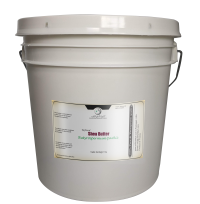
| Options | 10 ml, 15 ml, 1 fl oz, 2 fl oz, 4 fl oz, Net Wt. 8 oz, Net Wt. 16 oz, Net Wt. 1 kg / 2.2 lb, Net Wt. 5 kg /11 lbs, Net Wt. 10 kg / 22 lbs, Net Wt. 20 Kg / 44 lb |
Only logged in customers who have purchased this product may leave a review.


















Anonymous (verified owner) –