

Rose water is one of the world’s oldest and most versatile natural products. Made by distilling rose petals with steam, this fragrant liquid has been treasured for centuries across cultures for its beauty, culinary, medicinal, and spiritual applications. From ancient Persian gardens to modern skincare routines, rose water continues to be valued for its gentle nature, pleasant aroma, and wide range of uses.
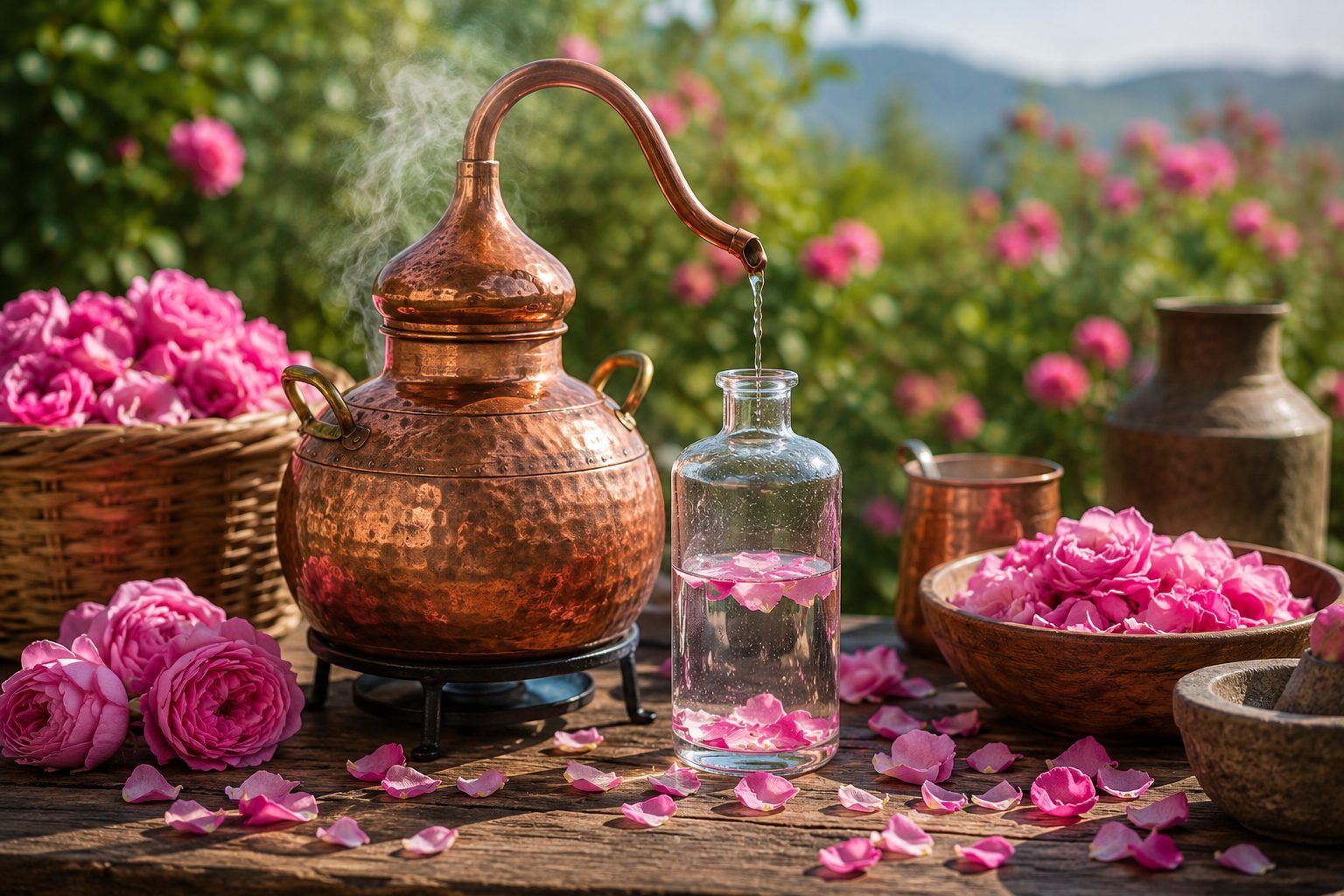
Today, rose water can be found in facial toners, desserts, beverages, aromatherapy products, and traditional wellness practices. Its popularity has grown as more people seek natural alternatives for skincare and personal care. Whether you’re interested in learning about its historical origins, understanding its benefits, or discovering practical ways to use it in your daily life, this guide covers everything you need to know about rose water.

Rose water is a fragrant liquid created through the steam distillation of rose petals. During the distillation process, steam passes through fresh rose petals, extracting their aromatic compounds. The steam is then cooled and condensed into a liquid that contains water-soluble components of the rose, resulting in the product known as rose water.
Unlike rose essential oil, which is highly concentrated, rose water is much milder and contains only trace amounts of the rose’s essential oils. This makes it suitable for a broader range of applications, including direct use on the skin.
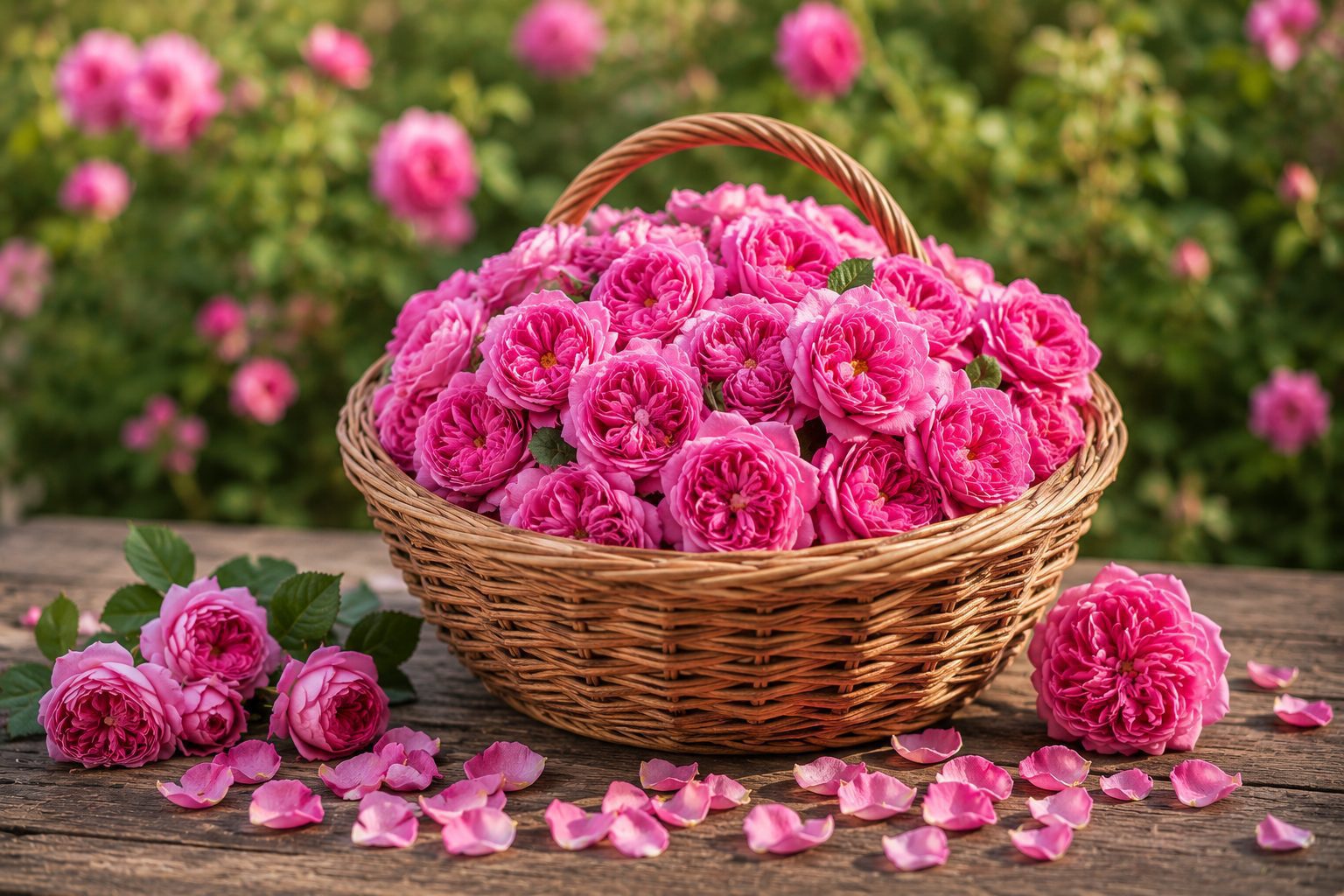
The production of rose water typically involves several key steps:
The quality of the final product depends on factors such as the rose variety used, harvesting conditions, and the distillation method.
Although both products come from roses, they are significantly different.
Rose Water
Rose Oil
Several rose varieties are used to produce rose water, but some are particularly prized for their fragrance and oil content:
Among these, the Damask rose is widely regarded as the gold standard due to its intense aroma and high concentration of beneficial compounds.
The story of rose water stretches back thousands of years and spans multiple civilizations. Its enduring popularity is a testament to both its practicality and cultural significance.
Many historians trace the development of rose water to ancient Persia, modern-day Iran. Persian scholars and artisans refined the process of steam distillation, making large-scale production possible.
Rose cultivation became an important part of Persian culture, and rose water was used extensively in:
Persia eventually became one of the world’s most important centers for rose cultivation and rose water production.
As trade routes expanded, knowledge of rose water spread throughout the Middle East. It became deeply integrated into various cultures and traditions.
Rose water was commonly used:
The product’s popularity grew because it was both luxurious and practical.
Through trade and cultural exchange, rose water eventually reached Europe during the Middle Ages. Wealthy households embraced it for:
European apothecaries also included rose water in many herbal preparations and medicinal remedies.
Today, rose water is produced worldwide and remains an important ingredient in:
Its long history continues to influence how people use and appreciate it today.
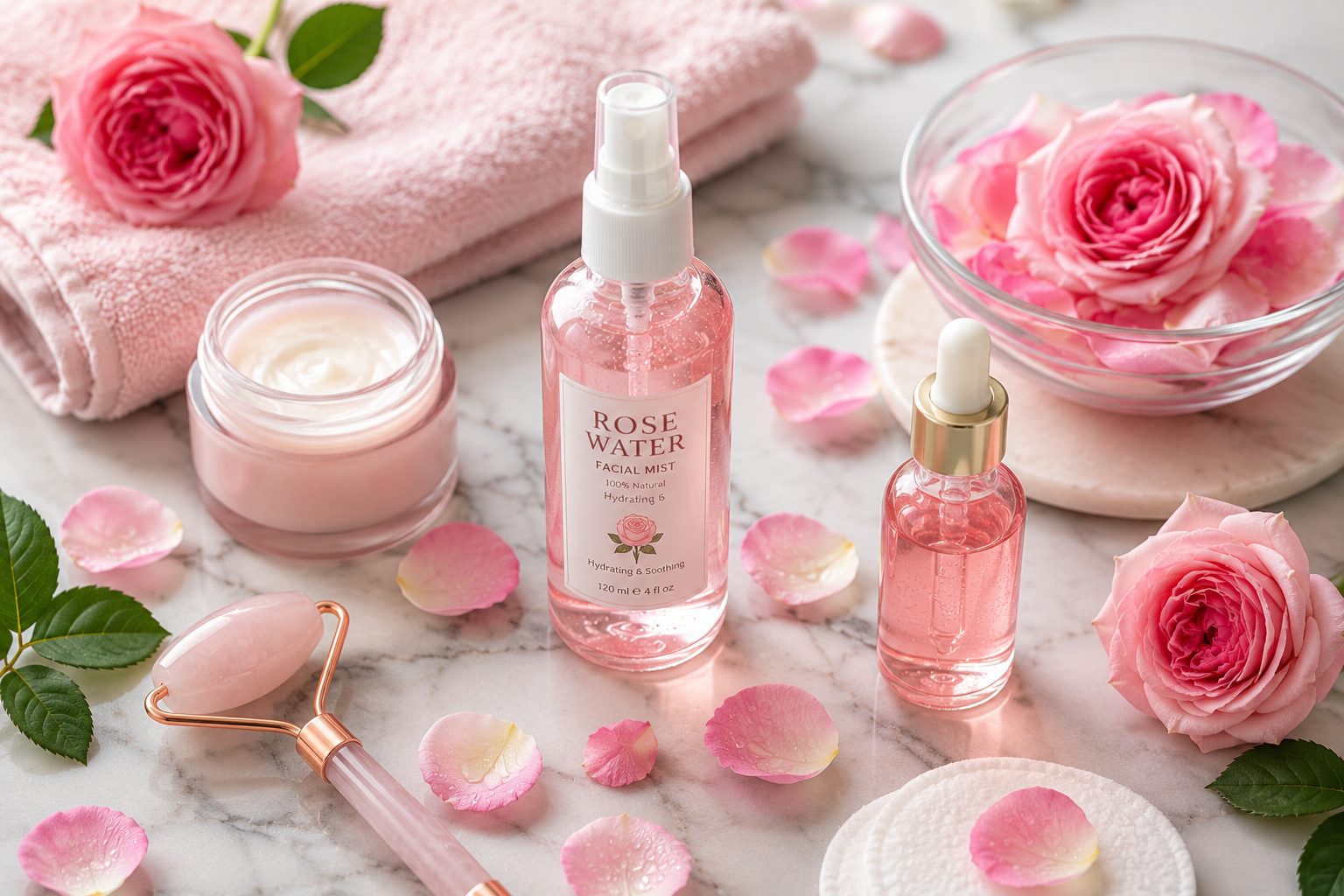
Rose water contains natural plant compounds that contribute to its reputation as a gentle and multifunctional product. While scientific research is still ongoing in some areas, many of its traditional uses are supported by emerging evidence and widespread consumer experience.
One of the most commonly reported benefits of rose water is its soothing effect on the skin.
Many people use rose water to help:
Its mild nature makes it suitable for many skin types, including sensitive skin.
Hydration is essential for healthy-looking skin. Rose water can contribute to moisture retention by providing a lightweight layer of hydration without feeling greasy.
Benefits may include:
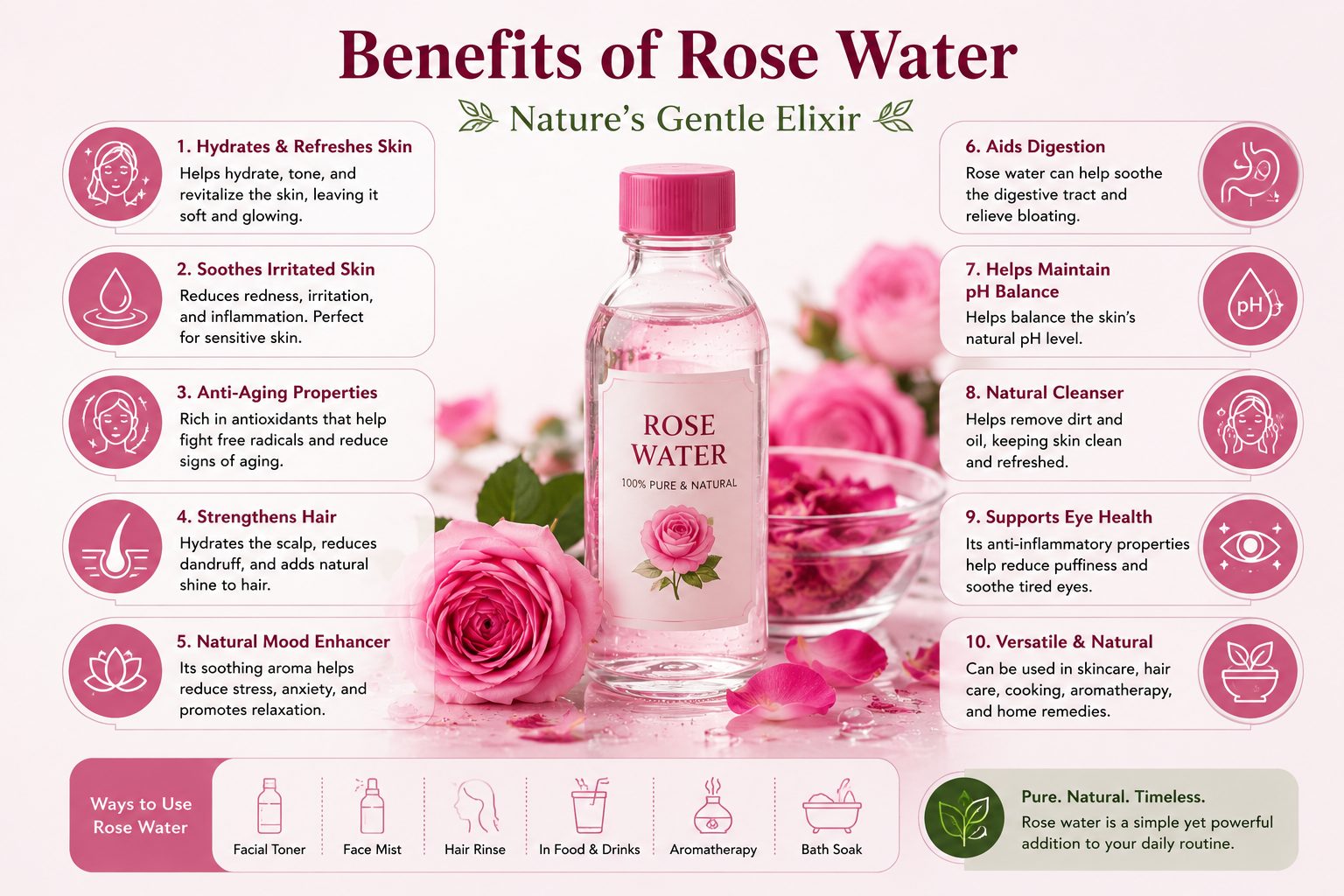
Rose water is often included in toners because it can help refresh the skin after cleansing.
Many users find it useful for:
Rose petals naturally contain antioxidants, which help protect plant tissues from environmental stress.
These compounds may contribute to:
Although rose water is not a substitute for sunscreen or medical treatments, its antioxidant content adds to its appeal.
A quick spritz of rose water can instantly refresh the face, making it a popular choice during:
Its cooling sensation and floral scent create an immediate feeling of freshness.
The fragrance of roses has long been associated with relaxation and comfort.
Many people use rose water:
The gentle scent may help create a calming environment and promote a sense of well-being.

Rose water’s versatility is one of the main reasons it remains popular. It can be used throughout the home and incorporated into various aspects of daily life.
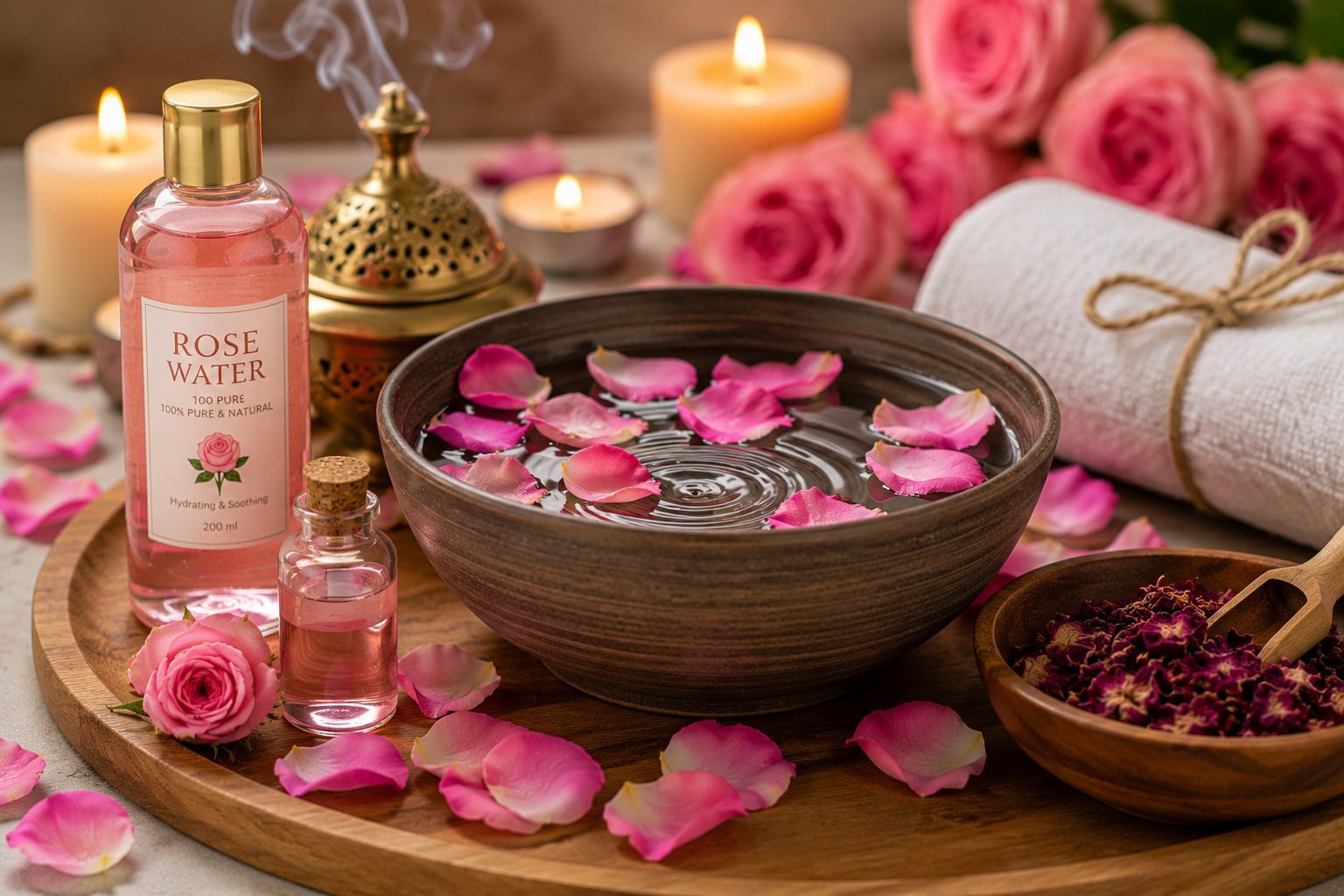
Skincare is perhaps the most common modern application.
Rose water is widely used as a natural toner.
Benefits include:
To use, apply with a cotton pad or mist directly onto the face.
Many people keep rose water spray bottles on hand for quick hydration throughout the day.
A facial mist can:
Rose water is sometimes used after makeup application to help reduce a powdery appearance and create a more natural finish.
Chilled rose water can be applied with cotton pads under the eyes for a refreshing sensation that may help reduce the appearance of tiredness.
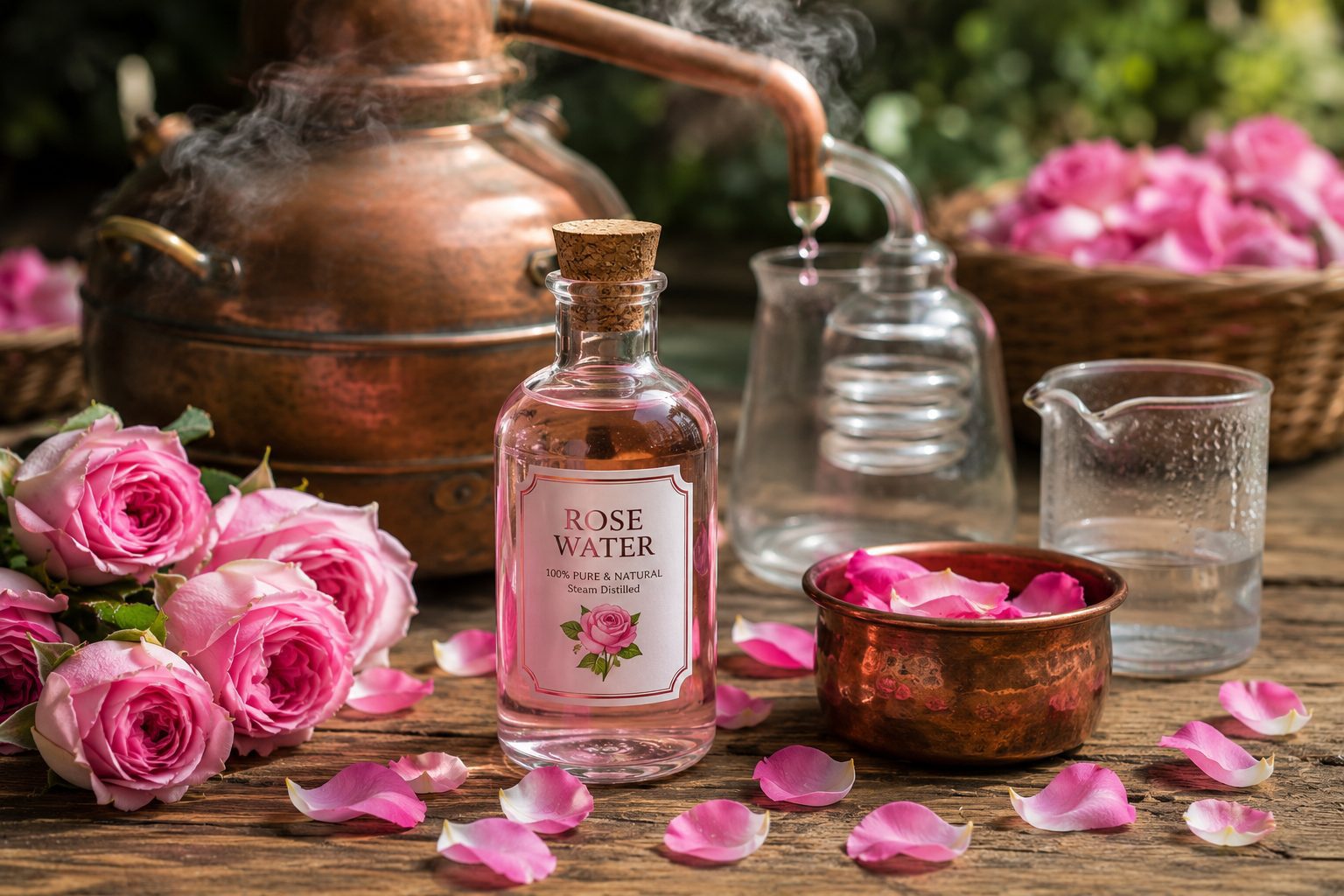
Rose water can also support scalp and hair care routines.
Applying rose water to the scalp may help:
Some people use rose water as a lightweight hair mist to add softness and shine.
The natural floral scent provides a gentle alternative to synthetic fragrances.

Rose water has a long culinary history and remains an essential ingredient in many cuisines.
Rose water is commonly added to:
Its delicate floral notes enhance sweetness without overpowering other flavors.
Middle Eastern, South Asian, and Mediterranean desserts often rely on rose water for their signature taste.
Examples include:
Rose water can be added to:
A small amount usually provides enough flavor.
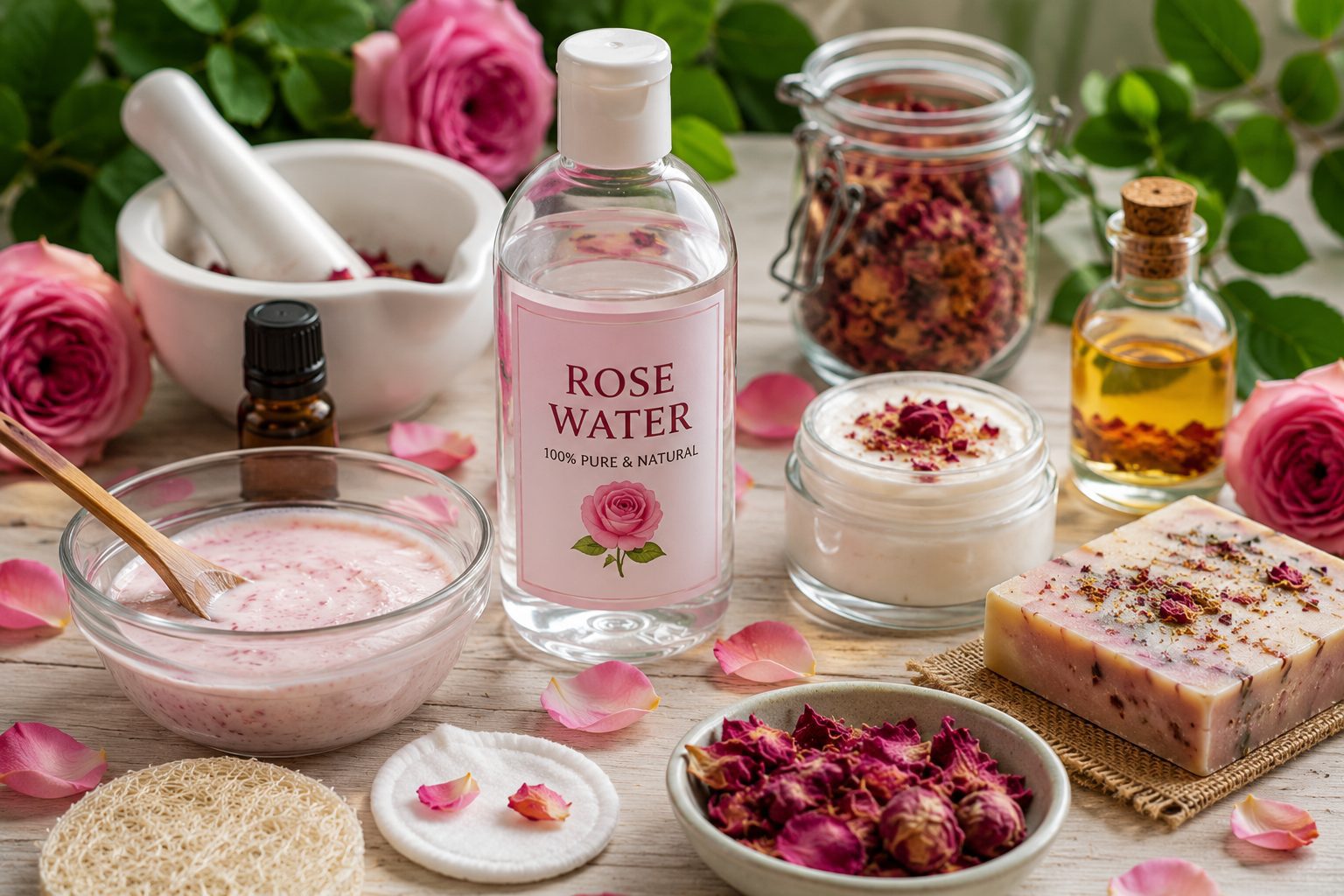
Traditional wellness systems have used rose water for centuries.
Common applications include:
Rose water can even be used around the home.
Popular uses include:
Throughout history, many cultures have used rose water in traditional medicinal systems.
In Ayurvedic traditions, rose water has been valued for its cooling and balancing qualities.
It has often been used to:
Traditional Unani practitioners frequently incorporated rose water into remedies aimed at promoting general wellness.
Across various regions, rose water has historically been used for:
While these traditional uses are culturally significant, individuals should seek professional medical advice for health concerns rather than relying solely on traditional remedies.
Modern scientific interest in rose water has increased as researchers explore the properties of roses and their extracts.
Rose water contains several naturally occurring compounds, including:
These substances contribute to the product’s scent and potential benefits.
Research suggests that rose-derived compounds possess antioxidant properties. Antioxidants help combat oxidative stress, which is associated with aging and environmental damage.
Some studies indicate that compounds found in roses may exhibit anti-inflammatory activity, helping explain rose water’s traditional reputation for soothing irritated skin.
The aroma of roses has been studied for its potential influence on mood and relaxation. While results vary, many individuals report feeling calmer when exposed to rose fragrance.
More research is needed to fully understand all of rose water’s effects, but existing findings provide some support for several traditional applications.
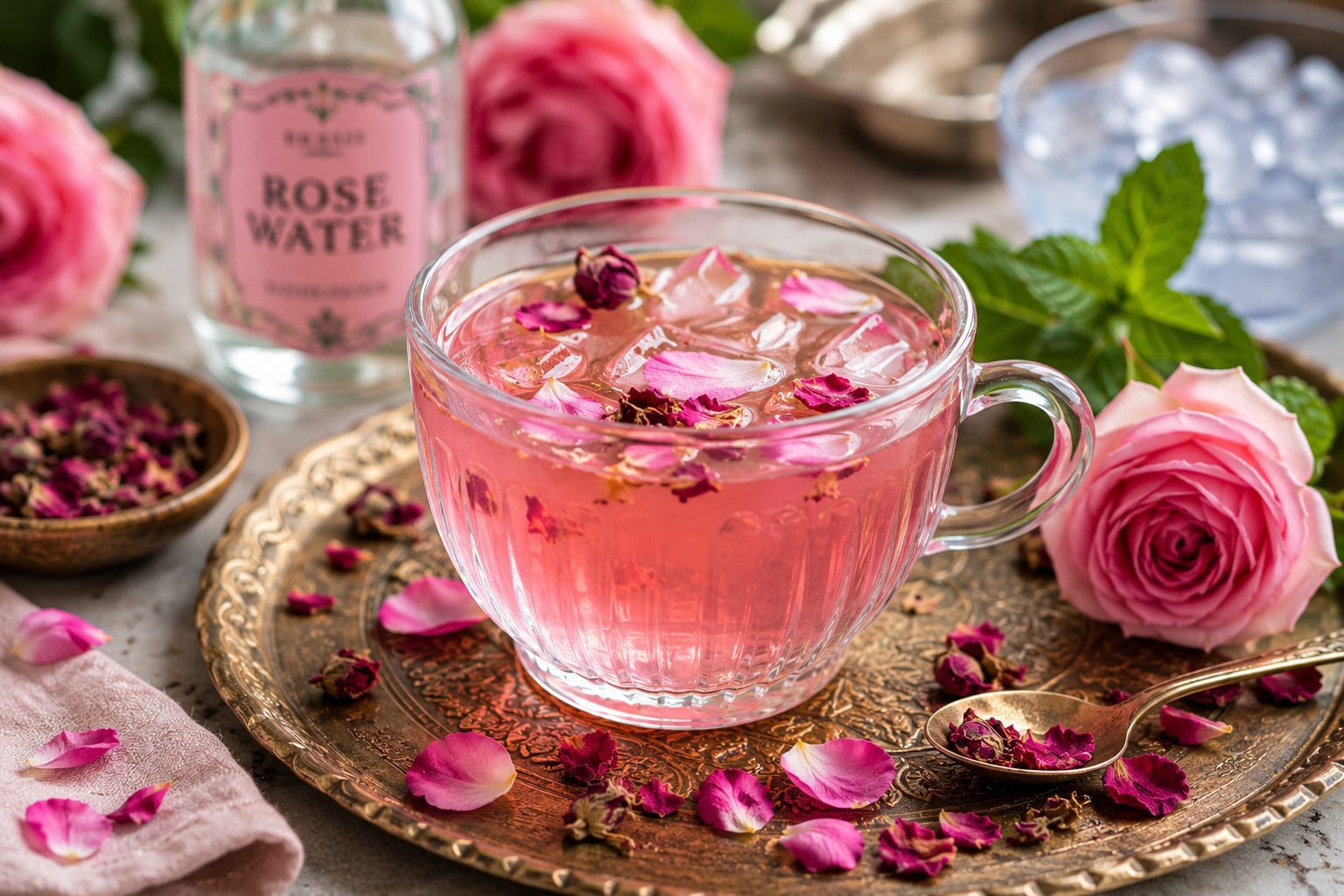
Not all rose water products are created equal. Selecting a quality product can significantly affect your experience.
Ideally, rose water should contain:
Avoid products containing excessive artificial fragrances, dyes, or unnecessary chemicals.
Steam-distilled rose water is generally considered the highest quality because it preserves many of the rose’s natural characteristics.
Dark glass bottles can help protect rose water from light exposure, potentially preserving freshness longer.
High-quality rose water should smell naturally floral without being overpowering or artificial.
Proper storage helps maintain quality and extend shelf life.
Some people prefer refrigerating rose water for an extra cooling effect when used on the skin.
Shelf life varies depending on:
Always check expiration dates and discard products that develop unusual odors or appearance changes.
Rose water is generally considered gentle, but it is still important to use it responsibly.
Although uncommon, some individuals may experience:
A patch test is recommended before applying a new product extensively.
Only products specifically formulated for eye use should be applied near or in the eyes.
When using rose water in food, start with small amounts. Its flavor can become overpowering if used excessively.
Rose water should not replace medical treatment for skin conditions or other health concerns.
Rose water is a fragrant liquid produced by steam distilling rose petals. It contains water-soluble compounds from roses and is commonly used in skincare, cooking, wellness practices, and personal care products.
Rose water is known for its ability to soothe skin irritation, provide light hydration, refresh the complexion, support hair care routines, and create a calming sensory experience through its floral aroma.
Yes. Most people can use rose water daily on both skin and hair. It is often incorporated into morning and evening skincare routines as a toner, facial mist, or refreshing spray. However, individuals with sensitive skin should perform a patch test before regular use.
Rose water is generally suitable for many skin types, including dry, oily, combination, and sensitive skin. Individual reactions may vary, so testing before widespread use is recommended.
Rose water provides hydration but does not typically replace a moisturizer. It works best when used alongside a moisturizer to help maintain skin hydration.
Absolutely. Rose water is widely used in desserts, beverages, candies, pastries, and traditional dishes around the world.
Pure rose water typically does not contain alcohol. Always check the ingredient list, as some commercial products may include additional ingredients.
Rose water is far more than a simple floral fragrance. With roots stretching back thousands of years to ancient Persia, it has evolved into a globally recognized ingredient valued for its versatility and gentle nature. Whether used as a skincare toner, hair refresher, culinary ingredient, aromatherapy aid, or part of a wellness ritual, rose water continues to hold a unique place in both traditional and modern lifestyles.
Its enduring popularity stems from a combination of rich cultural history, pleasant aroma, and practical benefits. While scientific research continues to explore its properties, generations of use have established rose water as a trusted household staple. From calming the skin to enhancing desserts and creating moments of relaxation, rose water remains one of nature’s most timeless and adaptable products.
You must be logged in to post a comment.