
Dill Seed Essential Oil
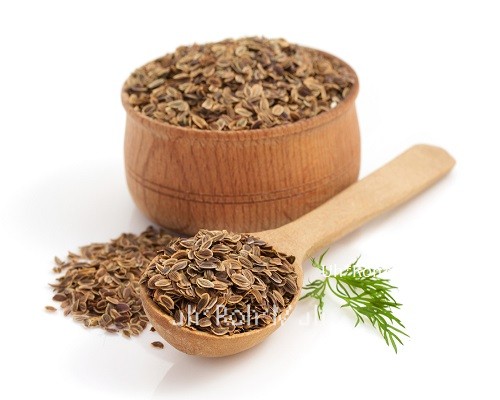
Dill seed essential oil in History
Dill Seed essential oil is derived from the Dill plant. Dill, scientifically known as Anethum graveolens, is like Fennel, but shorter. The plant grows anywhere from three to five feet tall. Its stem is stiff and hollow and is covered with blue-green, aromatic leaves. During spring, the plant sprouts yellow flowers that harbor compressed seeds.
Dill seed oil is extracted from the dried seeds of the Dill plant through steam distillation. Dill seed harvesting is best done right after the plants have bloomed and the seeds are immature. Harvesting is typically done in the morning because dew prevents the seeds from shattering.
The Dill plant has been known for its diverse range of health benefits since 1500 BCE. The earliest mention of Dill is in the Egyptian Ebers Papyrus, a herbal manuscript circa, where it is cited as part of a herbal mixture used to treat pain. The use of Dill’s roots can be traced more than 5,000 years ago, making the herb one of the most powerful and oldest medicinal herbs.
The Romans and Greeks used Dill as a curative for digestive issues and stomach upsets. It also helped boost the immune system as it created a healthy environment for probiotics to flourish. In ancient Rome, Hippocrates – the father of modern medicine – used Dill as an antibacterial to treat the soldiers wounded in battle. Later on, German brides carried Dill as part of their wedding bouquets. Across the Atlantic, early Americans gave Dill seeds to hungry children to soothe them during church services.
Dill cultivation was largely small-scale until the early 1800s, when Charlemagne, then Emperor of France, began campaigning for widespread farming. Since then, Dill has become a widely used culinary herb.

Dill seed essential oil Uses
The primary constituents of Dill Seed essential oil are carvone and limonene. Carvone is known for its numerous beneficial properties as a disinfectant, expectorant tonic, stomachic, astringent, diuretic, carminative, and digestive stimulant. On the other hand, limonene has been proven to offer anti-inflammatory, antioxidant, antihistamine, and anti-stress properties.
With so many natural benefits, Dill Seed essential oil is valued across both health and cooking enthusiasts. Some of the benefits that Dill oil provides are highlighted below.
1. Improves Digestion
Dill oil improves digestive health in several exciting ways. For starters, its distinct taste stimulates the salivary glands to aid the digestion process. Meanwhile, the carvone in Dill helps regulate the secretion of digestive juices in the stomach. Furthermore, as an antimicrobial, Dill Seed essential oil helps remove bacteria from the digestive tract, minimizing the chance of infection.
2. Relieves Pain
According to research, Dill seed essential oil can provide analgesic benefits. It also has properties that help reduce inflammation that is associated with the pain of rheumatoid arthritis.
3. Enhances Sleep Quality
Studies have shown that Dill seed oil can be used to alleviate anxiety and stress. The limonene in Dill makes the oil effective at regulating stress hormones. This effect can also alleviate insomnia.
Diffusing Dill oil in your home either singly or in a blend of other essential oils with lemon or bergamot can relax the mind and induce a restful night’s sleep. You can also add a drop or two of Dill oil to a cup of herbal tea before you go to bed. This mix provides the perfect concoction for a relaxing night of sleep.
4. Improves Skin Appearance
Thanks to the antioxidant characteristics of limonene, Dill seed essential oil can clear skin infections and acne. It can also protect the skin from sun damage, reduce wrinkling, and help the face remain vibrant and bright. Furthermore, the limonene in Dill oil can inhibit melanin production to lighten brown spots and promote an even skin tone.
5. Relieves Muscle Cramps
The therapeutic properties of Dill oil make it an effective remedy for muscle pains. If you are suffering from menstrual cramps or muscle spasms, add a few drops of Dill to a carrier oil like almond and apply the mixture on the affected area. Dill will work magic on the muscles and nerves, providing almost immediate relief.
6. Remedies Allergy and Asthma Symptoms
The antihistamine properties in Dill oil help combat allergy symptoms like respiratory inflammation. It can also help ease asthma attacks. By simply adding a few drops to a vaporizer, the oil can help relieve these symptoms overnight.
7. Improves breast milk quantity and quality
Dill oil is popular among nursing mothers because of its ability to boost breast milk development. It also promotes the quality of milk, which contributes to the baby’s all-around health.
Furthermore, using Dill oil while nursing can help the baby with stomach problems like flatulence and indigestion. The carminative and digestive properties of Dill that are absorbed into the milk assist the baby with these difficulties.
You must be logged in to post a comment.