
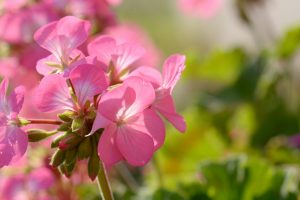
Geranium essential oil in history
The species of geranium used for essential oil include P. radula, P. roseum, P. odoratissimum, P. capita tum, and P. graveolens, the latter also known as rose-scented geranium. Most is grown in Northern Africa, Reunion (India), Madagascar, China, Russia, or India, though some is sourced from Italy, Corsica, Spain and France. Records show that it has been cultivated since the middle ages, but there is little record of any medicinal use of geranium in history until it was first distilled in 1819. It was not thoroughly researched for medicinal purposes until almost thirty years later.
There is a very small window, just prior to flowering, in which to harvest the leaves. More than a ton of plant matter is required to create just one kilo (2.2 pounds) of essential oil, and for this reason it is very expensive. Because of this, it is often adulterated with artificial esters or blended with other essential oils like lemongrass or cedarwood. You must always take care to avoid a lesser quality product, as it will have little therapeutic value.

Geranium oil uses
Geranium essential oil is known as the “first aid kit in a bottle.” Once you understand all of its various benefits you will probably want to keep some handy at all times.
- Anti-microbial: cleans and purifies the air in a sick room, protects from airborne pathogens and is an effective treatment for many fungal infections.
- Anti-aging: aids in skin cell regeneration, tightens the skin and reduces the appearance of fine lines and wrinkles. It also helps to improve muscle tone, which may also contribute to a younger appearance.
- Cellulite fighter: can reduce the appearance of cellulite when rubbed into problem areas, probably due to its diuretic properties. If you have recently experienced a dramatic weight loss, geranium oil can help tighten and smooth your skin, improving its overall appearance.
- Excellent for hair care: promotes healthy hair and scalp, adding shine and vibrancy when added to shampoos or conditioners.
- Astringent: reduces oil and impurities on the surface of the skin.
- Reduces the appearance of scars: the regenerative effect of geranium oil helps to accelerate skin repair. It has been known to reduce the appearance of scars due to acne, surgical scars, and stretch marks.
- Antidepressant: promotes an uplifting feeling that instantly chases your blues away.
- Diuretic: Reduces water retention, and draws out excess moisture from your skin, which can minimize puffiness.
- Relieves stress and fatigue: geranium essential oil will elevate your mood and create what some describe as a powerful sense of wellbeing when directly inhaled.
- Improves mental function: geranium oil in aromatherapy has been proven beneficial for boosting mental acuity and cognitive function. It has a natural synergy with the chemistry of the brain, helping to prevent inflammation and combat neural degeneration. It is thought that this specific action may delay the onset of Alzheimer’s disease.
- Detoxification: Due to geranium essential oil’s diuretic properties, it can help rid your body of toxins, excess salt and bad bacteria. It can also help to prevent uric acid buildup in your kidneys, which may relieve the incidence of gout. As with any diuretic, and in order to reap the maximum benefits, you should always increase your water intake to counteract any potential dehydration.
- Hemostatic: quickly stops bleeding from cuts, wounds and even hemorrhoids (when properly diluted) by constricting blood vessels and promoting clotting.
- Promotes skin cell regeneration: geranium essential oil increases collagen production in your skin, helping to renew the upper derma more quickly while giving your skin a smoother appearance.
- Balances hormones: regulates endocrine function, which can bring about a whole-body feeling of wellness.
- Improves digestion: stimulates the production of digestive enzymes, which improves digestion and promotes better absorption of nutrients from the food you eat.
- Analgesic: Geranium essential oil has been found to be especially effective in treating chronic pain, including nerve pain due to diabetes as well as MS and other auto-immune diseases.
- Repels bugs: Use on your body, on the surfaces around you or around your home to repel flying and crawling pests. Since it is completely natural and non-toxic, you are free to re-apply as often as you like. Avoid spraying near your eyes.
- Anti-inflammatory: reduces swelling on your skin’s surface and can ease the itch and irritation from insect bites.
- Culinary use: Geranium leaves are often used in place of rose water to flavor desserts, cocktails and jellies.
You must be logged in to post a comment.