

There’s something about jasmine that just feels… special.
Maybe it’s the way its scent drifts through the air on a warm evening. Or how a small cluster of flowers can completely change the mood of a space. For centuries, people across cultures have been drawn to jasmine—not just for how it looks, but for how it feels.
Jasmine isn’t just another plant. It’s a fragrant experience, a cultural symbol, and in many ways, a quiet luxury from nature.
In this guide, we’re going to explore jasmine in a simple, natural way—what it is, why it smells so amazing, the different types, and why it continues to matter today.
At its simplest, jasmine is a flowering plant known for its strong, sweet scent.
It belongs to a group of plants called Jasminum, which includes more than 200 species. These plants usually grow in warm regions like India, Southeast Asia, the Middle East, and parts of Europe.
What makes jasmine stand out isn’t just how it looks—it’s the fragrance. Even a few flowers can fill an entire room with their scent.
The leaves are usually bright green and slightly glossy. Some are single leaves, while others grow in small clusters.
Most jasmine flowers are white, though some varieties are yellow or pale pink. They often have a soft, star-like shape.
Some jasmine plants bloom during the day, but many release their strongest scent at night. That’s why jasmine is often associated with calm evenings and quiet gardens.
Depending on the type, jasmine can grow in a few different ways:
• As a climbing vine that wraps around walls or trellises
• As a bushy shrub in gardens
• As a small plant in pots or balconies
This flexibility is one reason it’s so popular in gardening.

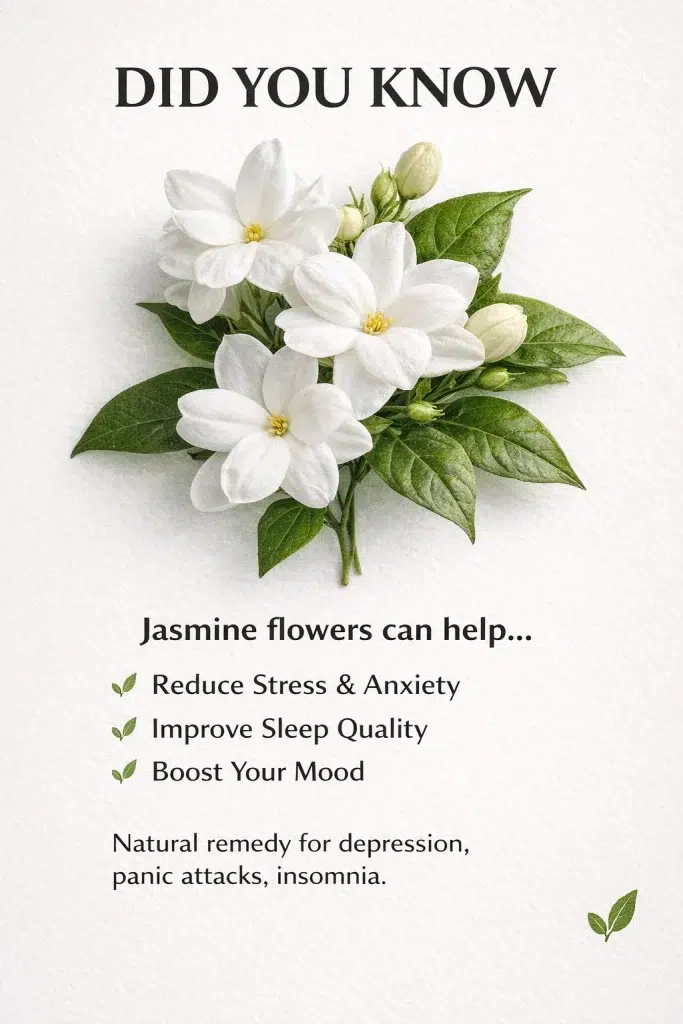
If jasmine had to be known for just one thing, it would be its scent.
The flower scent of jasmine is rich, warm, and slightly sweet—but there’s more to it than that.
Jasmine contains natural compounds like benzyl acetate and indole. These give it a scent that is:
• Sweet and floral
• Slightly fruity
• A little musky or deep
That mix is what makes jasmine feel both fresh and sensual at the same time.
Many jasmine species release their fragrance more strongly in the evening. This helps attract nighttime pollinators like moths.
But for us, it just means one thing—jasmine smells magical at night.
There are many jasmine types, but a few stand out more than others—especially when it comes to fragrance and use.
This is the jasmine most people in India recognize—often called mogra.
• Used in garlands, temples, and weddings
• Strong, rich, slightly musky scent
• Common in jasmine tea
It’s deeply tied to culture and daily life.
This one is widely used in perfumes.
• Softer, more balanced fragrance
• Slightly fresh and elegant
• Grown in places like Tamil Nadu and France
If you’ve ever used a luxury perfume, chances are you’ve smelled this.
• Classic white jasmine
• Strong, traditional scent
• Popular in gardens
• Bright yellow flowers
• Blooms in winter
• Less fragrant than others


Jasmine isn’t just about beauty—it plays a role in many parts of life.
Jasmine is one of the most valuable ingredients in perfumery.
It takes thousands of flowers to produce a small amount of jasmine oil. That’s why it’s often used in high-end fragrances.
Jasmine is commonly used to scent green tea.
The flowers are layered with tea leaves so the fragrance naturally infuses into the tea.
Jasmine oil is often used to:
• Help reduce stress
• Improve mood
• Promote relaxation
Many people describe it as both calming and uplifting at the same time.
In many countries—especially India—jasmine is more than a plant.
It’s used in:
• Weddings
• Religious offerings
• Hair decorations
• Festivals
It often represents purity, love, and positive energy.
• Jasmine flowers are often picked early morning or late evening for best fragrance
• It can take thousands of flowers to make just a small amount of oil
• Some jasmine varieties only bloom at night
• The name comes from the Persian word “Yasmin”, meaning “gift from God”

• Sunlight – At least a few hours a day
• Soil – Well-drained, not too soggy
• Water – Regular, but not excessive
• Support – For climbing varieties
• Trim the plant to help it grow fuller
• Use a pot if you don’t have garden space
• Keep it in a warm environment
With a little care, jasmine can thrive even in small spaces like balconies.
Like any plant, jasmine isn’t completely trouble-free.
• Pests like aphids
• Overwatering leading to root rot
• Sensitivity to cold weather
• Keep the soil well-drained
• Use natural pest control if needed
• Choose the right type for your climate
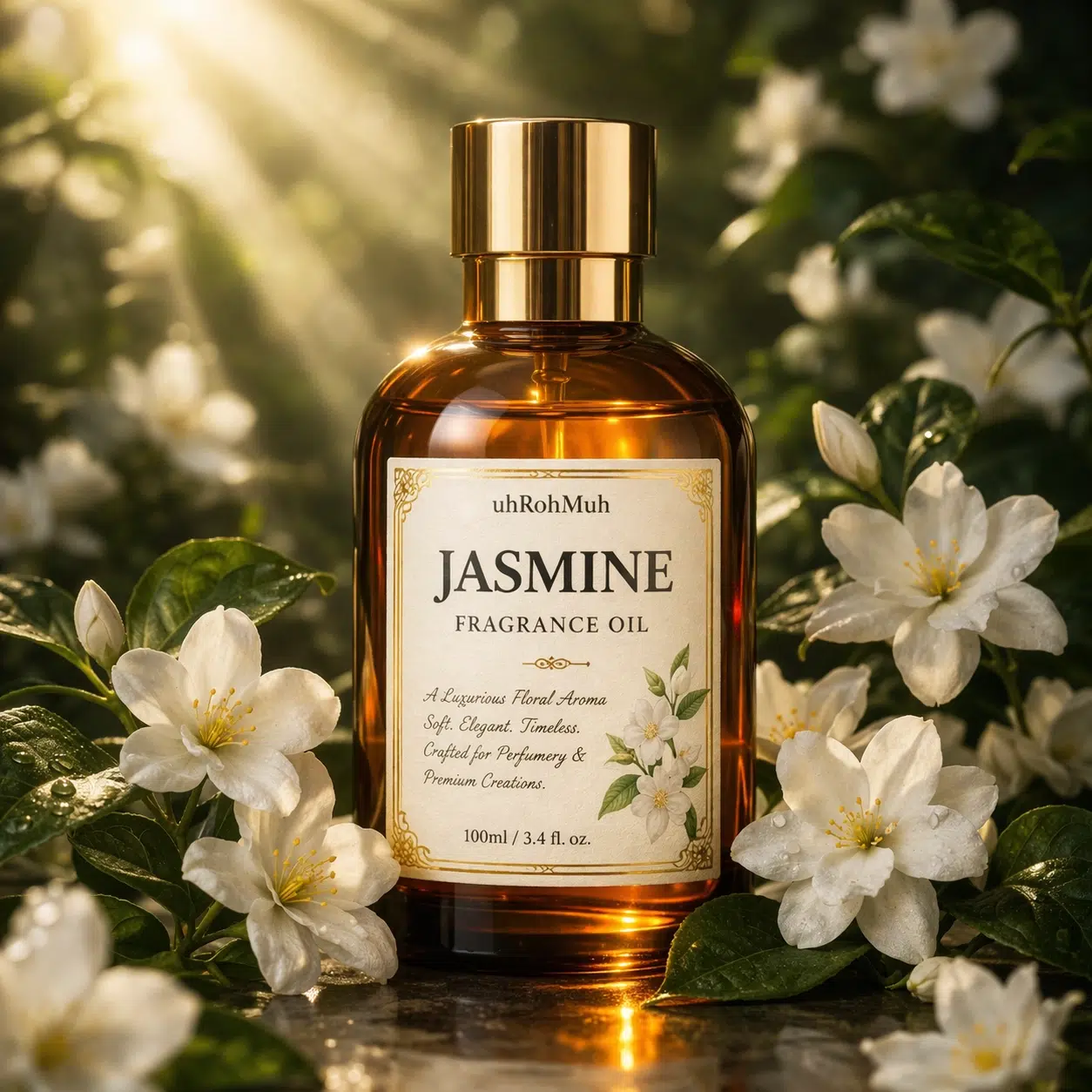
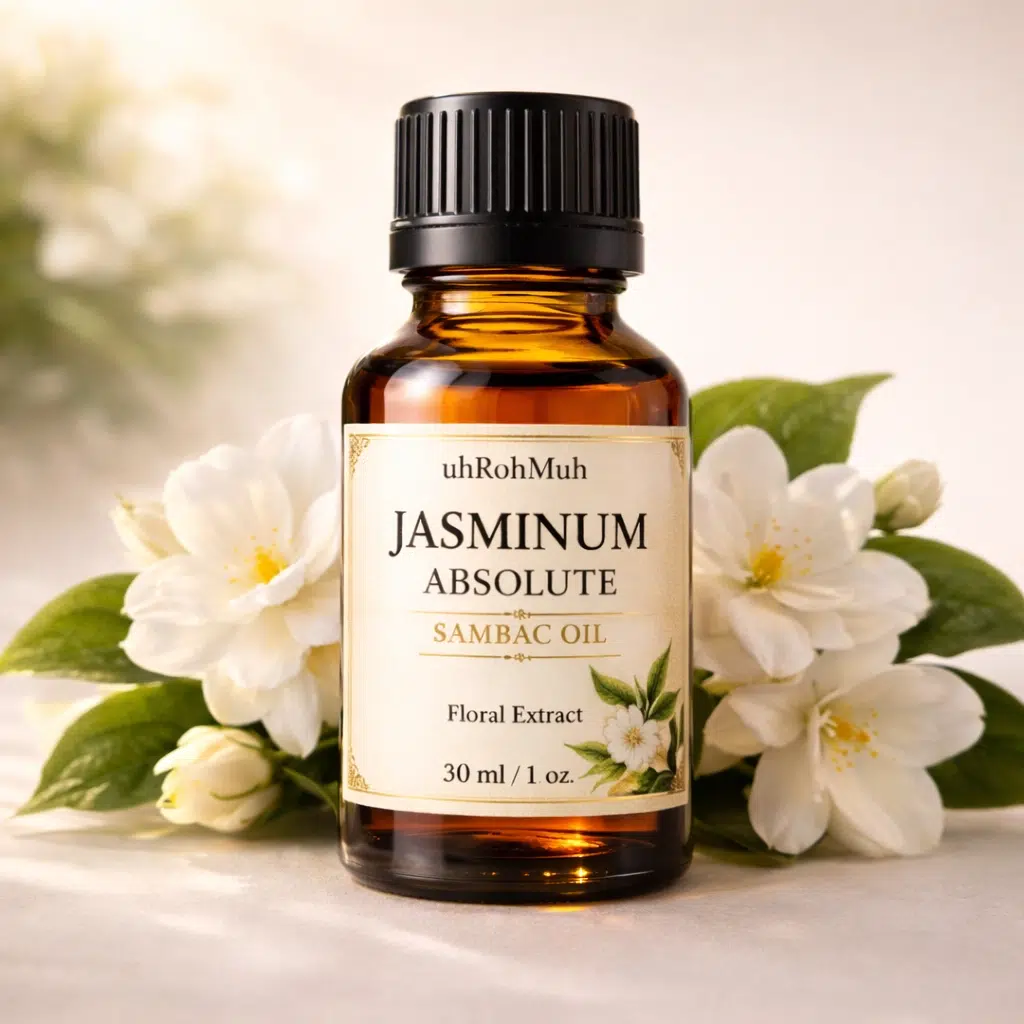
For aromatherapists and holistic healers, authenticity is non-negotiable. Arabian Jasmine (Jasminum sambac) is meticulously harvested as an unbloomed bud, allowing its heady, musky fragrance and high indole content to be perfectly captured. In Ayurveda, this potent extract is prized for its sattvic (pure and harmonious) qualities and its cooling nature (virya), making it the ultimate therapeutic tool to ground the anxious Vata dosha and soothe the fiery Pitta dosha. Add this premium absolute to your massage oils or diffusers to relieve emotional tension without overstimulating the nervous system. Shop Premium Jasminum Absolute Sambac Oil Here

You must be logged in to post a comment.